From DIY Culture to Modern Style
Tie-dye has become one of the most recognizable patterns in modern streetwear. From oversized T-shirts and hoodies to sweatpants, denim and jackets, the colorful technique has found a place in everyday urban fashion.
But tie-dye is more than a colorful print.
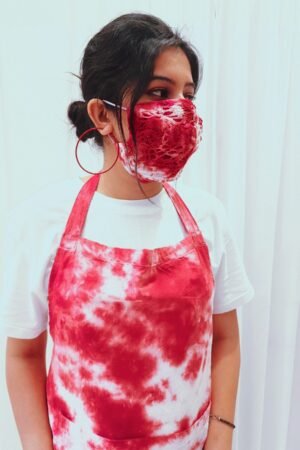
Its appeal comes from the combination of individuality, DIY creativity, relaxed clothing and self-expression. Unlike many conventional prints, tie-dye can make every garment look slightly different. That sense of individuality fits naturally with the philosophy of streetwear.
Today, tie-dye appears across vintage-inspired clothing, independent labels, casual fashion, skate style and contemporary streetwear collections. Sometimes it is bright and psychedelic. Sometimes it is faded and minimal. In other cases, it is combined with graphics, embroidery, oversized silhouettes or distressed fabrics.
The result is a fashion style that continues to evolve while maintaining its connection to handmade creativity.
What Is Tie-Dye Streetwear?
Tie-dye streetwear refers to casual, everyday clothing that incorporates tie-dye patterns or dyeing techniques.
Common tie-dye streetwear pieces include:
- T-shirts
- Hoodies
- Sweatshirts
- Joggers
- Sweatpants
- Denim
- Jackets
- Shorts
- Tracksuits
- Caps and accessories
The colors can range from bright neon combinations to muted shades such as washed black, grey, cream, brown and faded blue.
What makes tie-dye particularly compatible with streetwear is its relaxed character.
Streetwear is generally built around comfort, practicality and personal style. Tie-dye adds visual personality without requiring a complicated outfit.
How Tie-Dye Became Part of Streetwear
Tie-dye’s journey into streetwear developed gradually through different youth and fashion communities.
The technique became strongly associated with counterculture and handmade clothing during the 1960s and later appeared in various forms of casual and alternative fashion.
Over time, streetwear absorbed influences from different communities, including skateboarding, vintage fashion, sportswear and DIY clothing.
Tie-dye fit naturally into this environment.
A basic T-shirt could be transformed with color.
A plain sweatshirt could become a statement piece.
An old garment could be given a completely new appearance.
This ability to transform ordinary clothing helped establish tie-dye as a recurring element of casual street fashion.
Why Tie-Dye Works So Well in Streetwear
One of the biggest reasons tie-dye works in streetwear is its ability to combine simplicity and individuality.
A T-shirt is one of the simplest garments in a wardrobe.
But add an unusual dye pattern and the same T-shirt suddenly becomes visually distinctive.
This is important because streetwear often revolves around basic clothing pieces that are made interesting through:
- Color
- Graphics
- Proportion
- Layering
- Texture
- Footwear
- Accessories
Tie-dye adds another visual element without changing the basic practicality of the garment.
Tie-Dye and DIY Fashion
The DIY nature of tie-dye is one of its strongest connections to streetwear.
You don’t necessarily need a designer label to create a tie-dye garment.
A plain T-shirt, dye and a little experimentation can be enough.
That accessibility makes tie-dye different from many high-fashion techniques.
People can create their own patterns, experiment with different colors and customize old clothing.
The result can be highly personal.
Even when two people use similar colors, their finished garments may look completely different.
This individuality is one of the core attractions of tie-dye streetwear.
The Appeal of Imperfect Clothing
Modern fashion has increasingly embraced garments that look worn, washed or handmade.
Tie-dye naturally fits this aesthetic.
Uneven color distribution, faded sections and irregular patterns can create a sense of character.
Instead of looking like a mistake, the irregularity can become part of the design.
This is particularly relevant to streetwear, where distressed denim, washed fabrics and vintage-inspired clothing have become common.
A perfectly uniform tie-dye pattern can look polished.
An uneven pattern can look more authentic and handmade.
Both approaches have a place in modern fashion.
Tie-Dye and Oversized Streetwear
Oversized clothing has become a major part of contemporary streetwear.
Large T-shirts, hoodies and sweatshirts provide a larger surface for tie-dye patterns, making the color treatment more noticeable.
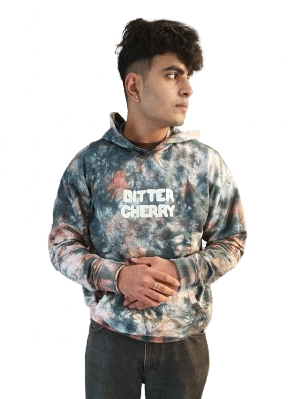
An oversized tie-dye hoodie, for example, can become the main focus of an outfit.
The rest of the look can remain simple:
Tie-dye hoodie + relaxed trousers + sneakers
The silhouette creates the streetwear identity while the tie-dye provides the visual statement.
Tie-Dye T-Shirts
The tie-dye T-shirt remains one of the most accessible ways to wear the trend.
For an everyday look, pair a colorful tie-dye T-shirt with:
- Straight-leg jeans
- Cargo trousers
- Baggy denim
- Shorts
- Sneakers
For a more minimalist appearance, choose a muted tie-dye design in black, grey, beige or faded blue.
This allows the pattern to remain interesting without dominating the entire outfit.
Tie-Dye Hoodies
Hoodies are another natural match for tie-dye.
The relaxed silhouette of a hoodie complements the informal character of the dye technique.
Bright tie-dye hoodies work well as statement pieces, while washed or monochromatic versions can create a more understated look.
A tie-dye hoodie can also be layered underneath:
- Denim jackets
- Bomber jackets
- Oversized coats
- Utility jackets
This creates additional texture and depth.
Tie-Dye and Baggy Jeans
The combination of tie-dye and baggy denim is particularly suited to modern streetwear.
A colorful T-shirt paired with loose blue jeans creates a relaxed silhouette.
For a darker aesthetic, a muted tie-dye sweatshirt can be paired with black or charcoal denim.
The important thing is proportion.
If the top is oversized, a relaxed or wide-leg bottom can maintain the overall streetwear silhouette.
Tie-Dye and Skate-Inspired Style
Skate fashion has influenced streetwear for decades, particularly through relaxed clothing, graphic T-shirts, hoodies, sneakers and practical silhouettes.
Tie-dye works naturally with this style.
A loose tie-dye T-shirt, baggy trousers and skate-inspired sneakers can create an effortless casual outfit.
The DIY nature of tie-dye also complements the creative and individualistic character associated with skate fashion.
Tie-Dye and Vintage Streetwear
Vintage fashion has become increasingly important to contemporary streetwear.
Faded garments, washed colors and old-school silhouettes are frequently combined with modern footwear and accessories.
Tie-dye fits particularly well into this aesthetic.
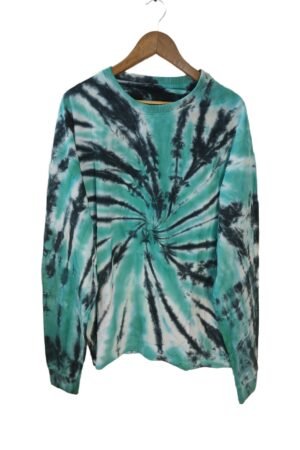
A faded tie-dye sweatshirt can look as though it has been part of someone’s wardrobe for years.
This creates a sense of nostalgia without requiring the entire outfit to be vintage.
Try combining a vintage-style tie-dye sweatshirt with:
- Straight-leg denim
- Retro sneakers
- A canvas bag
- A simple cap
- Minimal jewelry
Modern Minimalist Tie-Dye
Tie-dye doesn’t always have to be bright.
One of the biggest developments in contemporary tie-dye fashion is the use of restrained color palettes.
Instead of multiple bright colors, modern designs may use combinations such as:
- Black and grey
- Cream and brown
- Navy and white
- Olive and beige
- Charcoal and faded blue
These combinations make tie-dye easier to incorporate into an everyday wardrobe.
They also demonstrate how the technique can evolve beyond its traditional psychedelic image.
Tie-Dye and Gender-Neutral Streetwear
Tie-dye is naturally adaptable to gender-neutral fashion.
Oversized T-shirts, hoodies, sweatshirts and relaxed trousers can be styled by anyone.
Rather than relying on traditionally gendered silhouettes, the focus can be placed on:
- Fit
- Color
- Proportion
- Layering
- Footwear
- Accessories
This makes tie-dye particularly suitable for contemporary streetwear wardrobes that prioritize individual style.
Tie-Dye and Sustainable Fashion
Tie-dye can also play a role in clothing customization and garment reuse.
An old or unwanted T-shirt doesn’t necessarily need to be thrown away.
It can potentially be transformed through dyeing or other customization techniques.
This approach connects tie-dye with the broader interest in:
- Upcycling
- Clothing customization
- Thrifting
- Vintage fashion
- Garment reuse
However, tie-dye itself is not automatically sustainable. The environmental impact depends on the materials, dyes, water use and production methods involved.
For a more responsible approach, consumers can consider customizing existing garments rather than purchasing new ones solely for the trend.
Tie-Dye and Independent Fashion Brands
Independent fashion labels have helped keep experimentation at the center of streetwear.
Smaller brands can experiment with techniques such as:
- Hand dyeing
- Garment washing
- Bleaching
- Distressing
- Screen printing
- Embroidery
- Patchwork
Tie-dye can become part of a larger design process rather than simply being applied as a colorful pattern.
For example, a brand might combine a washed tie-dye treatment with an embroidered logo and oversized silhouette.
The result can feel distinctive without relying on complicated construction.
Tie-Dye as a Statement Piece
One of the easiest ways to wear tie-dye is to make it the statement piece.
You don’t need a completely colorful outfit.
Instead, choose one strong item.
For example:
Tie-dye T-shirt + black trousers + white sneakers
or:
Tie-dye hoodie + neutral cargo pants + simple sneakers
This approach keeps the outfit balanced while allowing the tie-dye to attract attention.
Tie-Dye and Layering
Streetwear often relies heavily on layering.
Tie-dye can work particularly well as a middle or outer layer.
Try:
Tie-dye T-shirt + oversized denim jacket + relaxed trousers
or:
Tie-dye hoodie + utility jacket + baggy jeans
Layering allows the colorful garment to become part of a larger outfit rather than standing alone.
Tie-Dye and Accessories
Tie-dye doesn’t have to be limited to clothing.
The aesthetic can also appear in:
- Caps
- Bags
- Socks
- Sneakers
- Scarves
- Bucket hats
For people who aren’t comfortable wearing a bright tie-dye T-shirt, accessories can be a more subtle way to experiment with the trend.
A tie-dye bucket hat, for example, can add color to an otherwise neutral outfit.
How Social Media Changed Tie-Dye Streetwear
Social media has accelerated the spread of fashion trends.
A particular color combination or styling technique can move from a small community to a global audience very quickly.
Tie-dye is especially suited to visual platforms because its patterns are immediately noticeable.
DIY creators can share tutorials.
Small brands can showcase limited collections.
Fashion enthusiasts can post customized garments.
Street-style photographers can document new ways of wearing the trend.
This constant exchange helps tie-dye evolve rather than remain associated with a single historical era.
Is Tie-Dye Still Relevant in Streetwear?
Tie-dye continues to have a place in streetwear because it can change with the times.
It can be:
- Bright or muted
- Oversized or fitted
- Vintage or contemporary
- DIY or professionally produced
- Minimal or highly colorful
- Casual or fashion-forward
That flexibility gives it longevity.
Instead of disappearing after one fashion season, tie-dye repeatedly returns in new forms.
The Future of Tie-Dye Streetwear
The future of tie-dye streetwear is likely to involve experimentation with color, materials and customization.
Designers and independent brands can explore tie-dye on:
- Denim
- Outerwear
- Technical fabrics
- Recycled garments
- Knitwear
- Accessories
- Patchwork pieces
There is also growing interest in customized and small-batch clothing, which suits tie-dye particularly well.
Rather than producing thousands of identical garments, smaller collections can focus on unique dye patterns and limited releases.
How to Wear Tie-Dye Without Looking Overdressed
The easiest rule is simple:
Let one tie-dye piece do the work.
If your T-shirt has multiple bright colors, choose neutral trousers.
If your hoodie is oversized, keep the accessories relatively simple.
If you’re wearing tie-dye pants, consider a plain top.
The goal isn’t to eliminate color.
It’s to create balance.
Easy Tie-Dye Streetwear Outfit Ideas
Everyday: Tie-dye T-shirt + blue jeans + white sneakers.
Minimal: Grey-and-black tie-dye sweatshirt + black trousers + sneakers.
Vintage: Faded tie-dye T-shirt + relaxed denim + retro sneakers.
Casual: Tie-dye hoodie + cargo pants + chunky sneakers.
Summer: Tie-dye T-shirt + loose shorts + canvas sneakers.
Layered: Tie-dye sweatshirt + denim jacket + wide-leg trousers.
Final Thoughts
Tie-dye has earned a lasting place in streetwear because it represents many of the qualities that make street fashion distinctive: individuality, comfort, creativity, experimentation and self-expression.
Its DIY origins make it accessible. Its unpredictable patterns make it personal. Its compatibility with oversized clothing makes it naturally suited to modern streetwear silhouettes.
At the same time, tie-dye has evolved far beyond its traditional colorful appearance.
Today, it can be faded, minimal, monochromatic, vintage-inspired or boldly psychedelic.
That flexibility is the secret to its longevity.
Streetwear is constantly changing, but its emphasis on making ordinary clothing feel personal remains consistent.
And that is where tie-dye fits perfectly.
Tie-dye isn’t simply a colorful pattern in streetwear. It is a way to transform everyday clothing into something individual, expressive and unmistakably personal.
What's on your mind?