
Which One Truly Defines Quality in Today’s Fashion World?
The fashion industry has transformed dramatically over the last few decades. While machine-made clothing dominates shopping malls and online marketplaces, handcrafted apparel is experiencing a remarkable revival among conscious consumers who value quality, sustainability, and individuality.
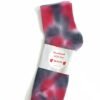
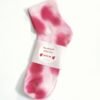
As environmental awareness grows and shoppers seek meaningful purchases, handcrafted tie-dye apparel has become more than just fashion—it has become a lifestyle choice.
In this article, we’ll explore the differences between handcrafted and machine-made clothing, their impact on people and the planet, and why handmade tie-dye garments represent the future of ethical fashion.
What is Handcrafted Apparel?
Handcrafted apparel refers to clothing created primarily by skilled artisans rather than automated production lines.
Every step—from dyeing and stitching to finishing—is performed with care and attention.
Each handcrafted garment carries:
- Individual craftsmanship
- Unique artistic expression
- Premium detailing
- Human creativity
- Limited production
Unlike factory clothing, no two handcrafted pieces are exactly alike.
This uniqueness is what makes handcrafted tie-dye apparel so special.
What is Machine-Made Apparel?
Machine-made apparel is mass-produced using automated manufacturing systems designed for speed and volume.
Factories produce thousands—or even millions—of identical garments daily.
Characteristics include:
- Uniform designs
- High production speed
- Lower manufacturing cost
- Mass availability
- Standardized sizing
While machine-made clothing is convenient and affordable, it often sacrifices craftsmanship, durability, and originality.
Handcrafted vs Machine-Made Apparel: The Key Differences
1. Uniqueness
Handcrafted apparel:
Every piece tells its own story.
Natural dye variations, hand-folding techniques, and artisan skills ensure every garment is one-of-a-kind.
Machine-made apparel:
Every item looks exactly the same.
If 100,000 shirts are produced, every shirt is nearly identical.
Winner: Handcrafted Clothing
2. Quality
Handcrafted garments receive individual attention throughout production.
Artisans inspect every detail, resulting in:
- Better stitching
- Richer dye patterns
- Higher durability
- Better finishing
Machine-made garments prioritize speed over perfection.
Small defects often go unnoticed.
Winner: Handmade Apparel
3. Sustainability
Handcrafted fashion generally produces:
- Less waste
- Smaller production batches
- Lower energy consumption
- More responsible manufacturing
Mass-produced apparel consumes enormous resources while generating significant textile waste.
Winner: Handmade Fashion
4. Emotional Value
Handcrafted clothing carries emotion.
Every fold, color pattern, and stitch reflects hours of artistic effort.
Machine-made clothing rarely creates that personal connection.
People often cherish handcrafted clothing for years instead of treating it as disposable.
5. Environmental Impact
Fast industrial production contributes to:
- Water pollution
- Textile waste
- Carbon emissions
- Overproduction
Handcrafted apparel usually follows slower, more responsible production methods.
This makes handmade clothing a smarter choice for environmentally conscious consumers.
Why Handcrafted Tie-Dye Clothing is Special
Tie-dye is not simply printing color onto fabric.
Authentic handcrafted tie-dye requires:
- Fabric preparation
- Hand folding
- Manual tying
- Artistic dye application
- Careful washing
- Natural drying
- Quality inspection
Every pattern emerges differently.
No machine can recreate the beauty of handcrafted tie-dye.
Each piece becomes wearable art.
Why Consumers are Returning to Handmade Fashion
Today’s buyers are increasingly looking beyond low prices.
They want:
- Ethical production
- Better quality
- Sustainable fashion
- Unique designs
- Artisan craftsmanship
Handmade fashion fulfills these expectations while supporting skilled creators instead of anonymous mass production.
The Problem with Fast Fashion
Machine-made fashion often encourages excessive consumption.
Many garments are worn only a few times before being discarded.
This cycle creates:
- Landfill waste
- Excessive water usage
- Environmental pollution
- Lower garment quality
Choosing handcrafted apparel helps reduce this unnecessary waste.
Handmade Clothing Lasts Longer
Quality craftsmanship means:
- Stronger seams
- Better fabrics
- Richer colors
- Greater durability
Although handmade clothing may cost more initially, its longer lifespan provides better long-term value.
Why Handmade Tie-Dye is an Investment
Rather than buying several low-quality garments every season, investing in handcrafted tie-dye clothing offers:
- Timeless style
- Artistic uniqueness
- Superior comfort
- Sustainable fashion
- Long-lasting quality
Each garment becomes a meaningful part of your wardrobe.
Frequently Asked Questions
Is handcrafted clothing better than machine-made clothing?
Yes. Handcrafted clothing generally offers superior quality, uniqueness, durability, and sustainability compared to mass-produced apparel.
Why is handmade tie-dye expensive?
Every piece requires hours of skilled labor, manual dyeing, washing, drying, and finishing. The craftsmanship involved makes each garment unique.
Does handcrafted clothing last longer?
High-quality handmade garments often outlast machine-made alternatives due to careful construction and premium materials.
Is handmade clothing sustainable?
Yes. Small-batch handcrafted production typically generates less waste and supports more ethical manufacturing practices.
Final Thoughts
Fashion is more than what we wear—it reflects the choices we make.
Choosing handcrafted apparel supports artisans, encourages sustainable production, and celebrates individuality.
In a world filled with identical mass-produced clothing, handcrafted tie-dye stands out as a symbol of creativity, authenticity, and conscious living.
If you’re looking for clothing that tells a story, lasts longer, and leaves a lighter footprint on the planet, handcrafted tie-dye apparel is the perfect choice.
Leave a Reply